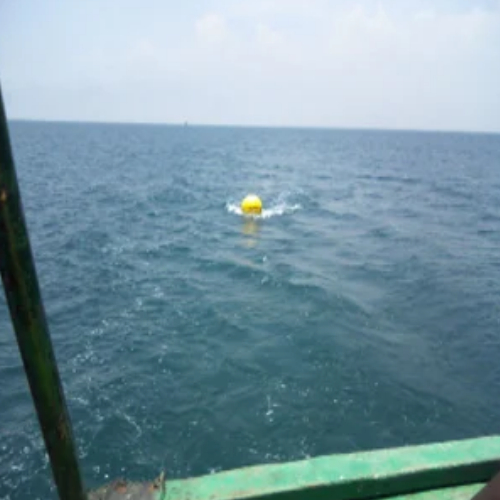
How Aeromarine supplied and installed 325 navigation buoys with moorings to physically demarcate the core zone islands of the Gulf of Mannar Marine National Park, working with the Gulf of Mannar Biosphere Reserve Trust — deployed island by island from chartered local fishing trawlers.
CLIENT
Gulf of Mannar Biosphere Reserve Trust (GOMBRT)
SITE
Core zone islands, Gulf of Mannar Marine National Park, Tamil Nadu
SCOPE
325 navigation buoys with moorings, marking the boundary of 21 islands
WORK
Supply, transport & installation, deployed via chartered fishing trawlers
THE CHALLENGE
The Gulf of Mannar Marine National Park protects 21 core zone islands, and the water around them looks no different to the open sea around it. With the boundary existing only on a coordinate map, local fishing communities working these waters had no way to see where the protected zone began — and GOMBRT, backed by the Government of Tamil Nadu and the UNDP, needed that boundary made physically visible, island by island, without disrupting the fishers who depend on these waters for their livelihood. The scale was considerable: 325 buoys, each on its own mooring, precisely positioned to trace the edge of a marine park spread across a chain of islands with no port infrastructure of its own to work from.
WHAT AEROMARINE DID
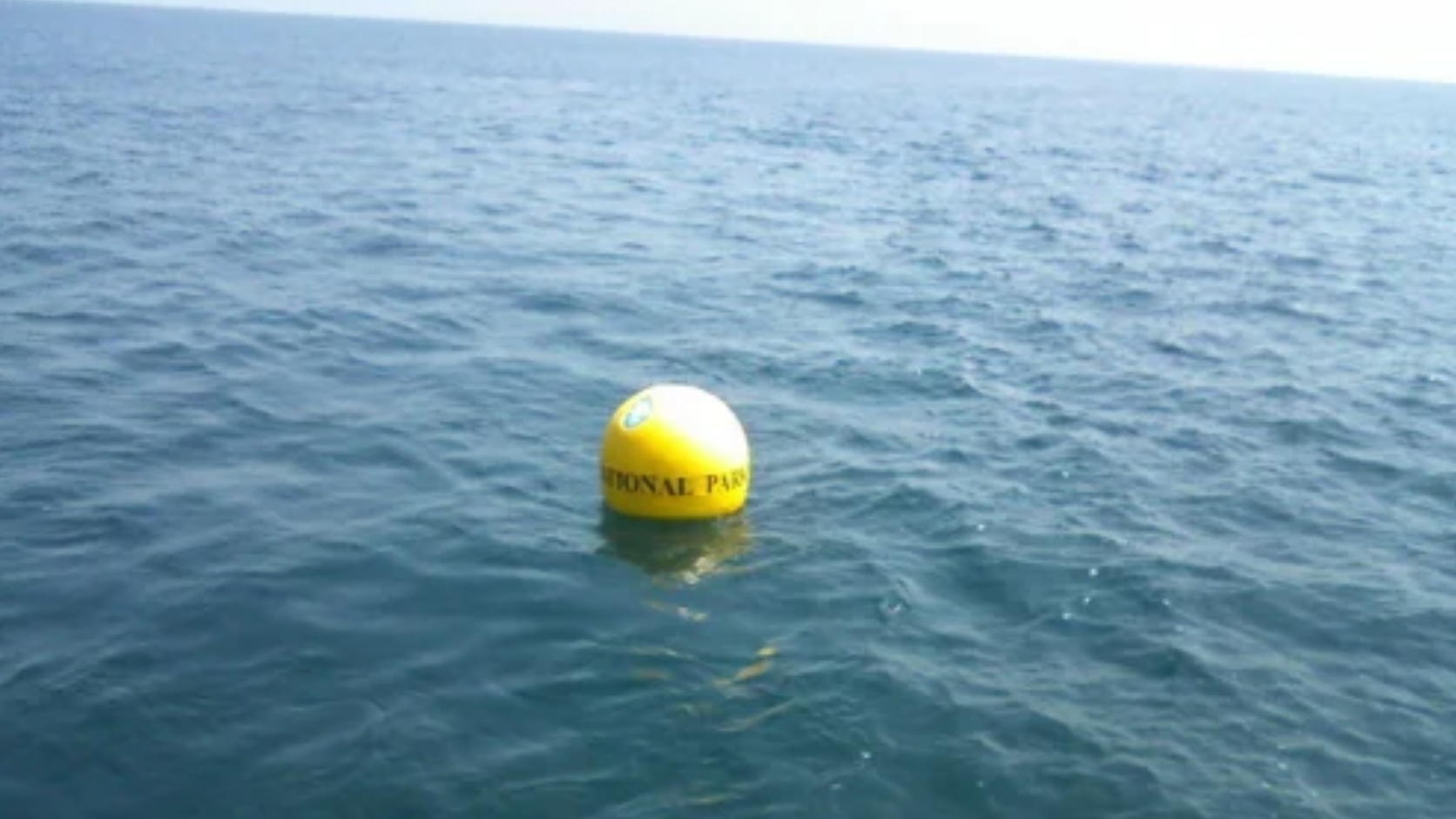
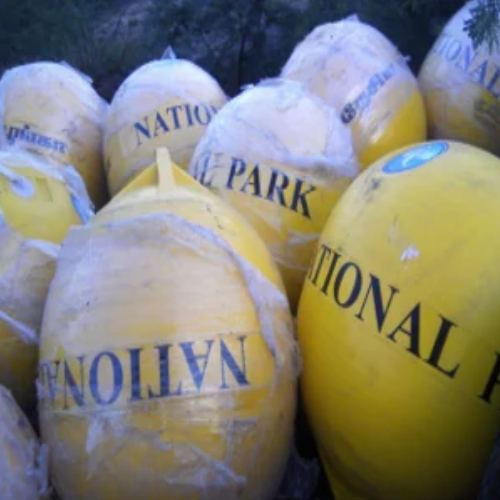
- Supplied 325 marine navigation buoys, each marked for the National Park boundary and carrying the Gulf of Mannar Biosphere Reserve Trust emblem, complete with individual moorings.
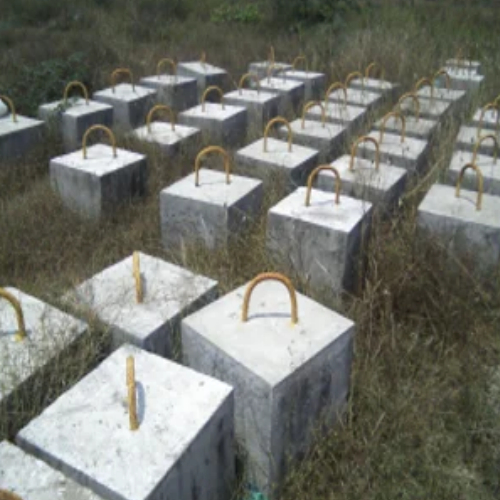
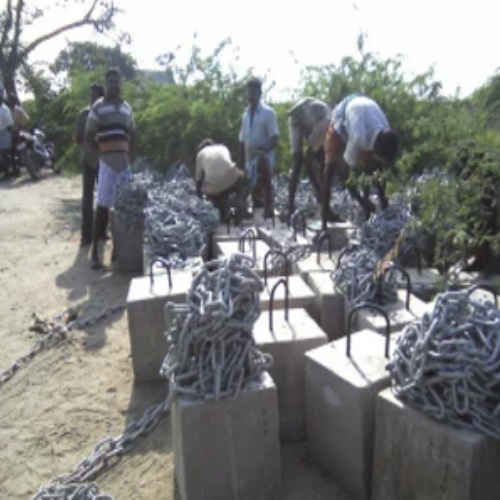
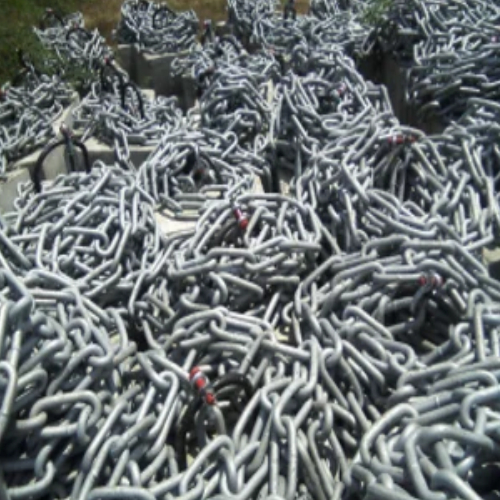
- Cast and fitted the mooring sinkers to match — concrete sinker blocks with galvanised chain, built and rigged at Aeromarine’s own yard before being trucked out to the coast.
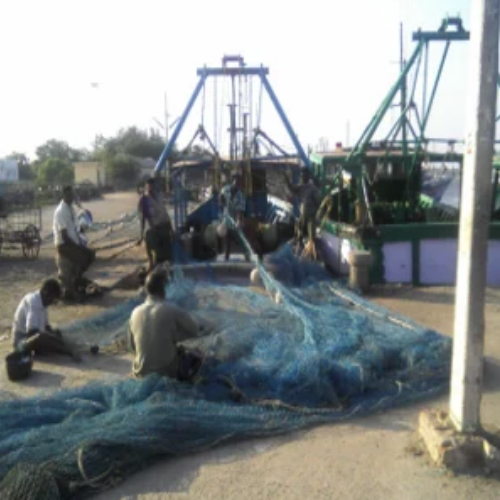
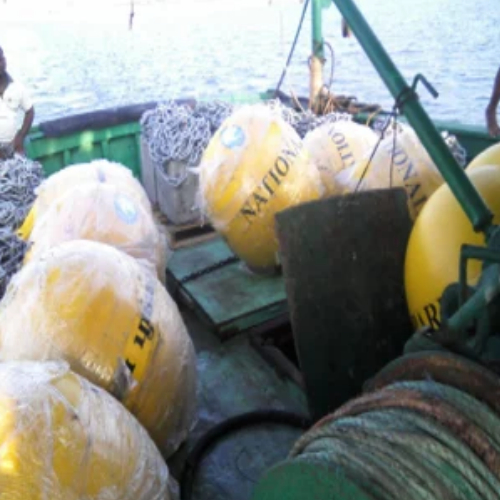
- Moved the full consignment by container and truck from the yard to the Mandapam coast, then transferred every buoy, sinker and length of chain onto chartered local fishing trawlers for the final leg out to the islands.
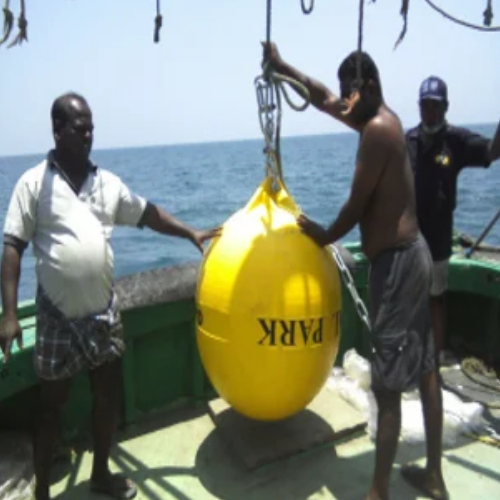
- With no dedicated buoy-laying vessel available for a job spread across 21 separate islands, worked buoy by buoy from the trawler’s own deck gear — craning each sinker over the side and setting every buoy on its position.
- Carried out the installation under the direct oversight of Tamil Nadu Forest Department personnel on site, positioning all 325 buoys to trace the park’s boundary around every one of the 21 core zone islands.
Supplied and installed: 325 marine navigation buoys, GOMBRT-marked for the National Park boundary · 325 individual moorings — concrete sinkers and galvanised chain · deployed across 21 core zone islands via chartered fishing trawlers, under Forest Department supervision.
THE OUTCOME
All 325 buoys were supplied, moored and set in position around the 21 core zone islands of the Gulf of Mannar Marine National Park — the boundary of one of India’s most ecologically sensitive marine protected areas made physically visible for the first time, buoy by buoy, island by island.
WHY IT MATTERS
A conservation boundary that only exists on a map cannot protect anything. Turning that line into 325 buoys anyone on the water can see — installed island-by-island from chartered local trawlers because no dedicated vessel could reach every one of them — took the same on-site improvisation Aeromarine brings to every job, applied here in service of a marine park instead of a port. It’s the kind of work a client like GOMBRT, working under a UNDP-backed conservation mandate, remembers Aeromarine for.
Built to Hold — Sinkers, Chains and Buoys in the Yard
Every mooring built to match its buoy: concrete sinker blocks cast and chained, ready to go out 325 times over.
Loaded Out and Moved to the Coast
325 buoys and their moorings, packed, trucked and containered from the yard to the Mandapam coast.
Every mooring built to match its buoy: concrete sinker blocks cast and chained, ready to go out 325 times over.
Chartered Trawlers, Working the Islands
With no dedicated buoy-laying vessel able to reach every one of the 21 islands, local fishing trawlers did the job instead.
On Station, Buoy by Buoy
Every sinker lowered and every buoy set under the direct oversight of the Tamil Nadu Forest Department.